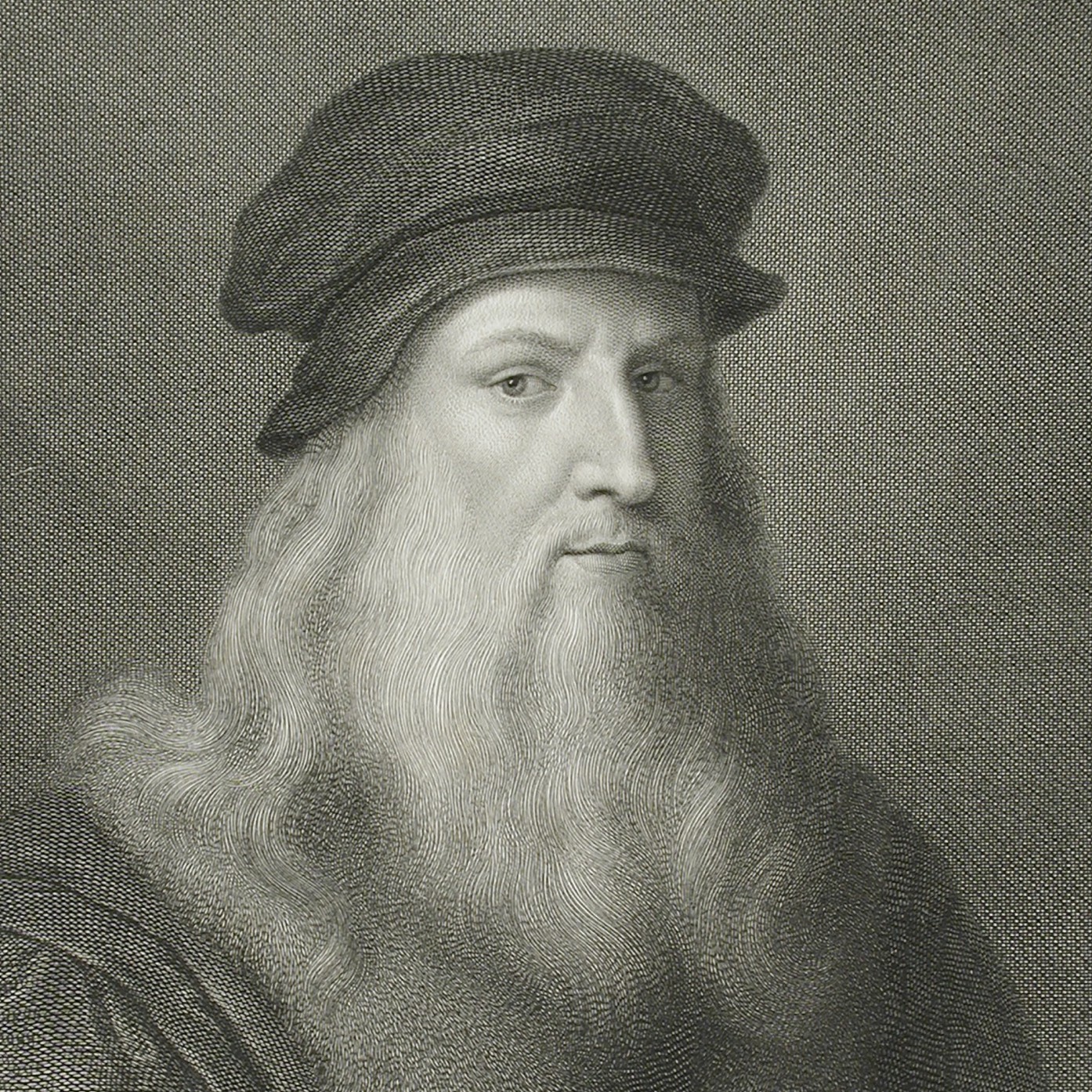
Leonardo da Vinci
1452–1519 · Italian
Painter, draftsman, and inventor
Known for works such as The Last Supper and
Virgin of the Rocks, Leonardo united scientific study,
subtle modeling of light, and meditative compositions that have
deeply influenced depictions of Christ and the saints.
Subtle light & shadow
Devotional imagery
Michelangelo Buonarroti
1475–1564 · Italian
Sculptor, painter, and architect
Creator of the Pietà, the David, and the Sistine
Chapel ceiling, Michelangelo brought heroic scale and profound
spiritual drama to images of Christ, the Blessed Virgin, and the
saints.
Monumental forms
Biblical drama
Raphael
1483–1520 · Italian
Painter and draftsman
Celebrated for works such as The Sistine Madonna and
numerous altarpieces, Raphael is often associated with harmony,
clarity, and balanced compositions that embody a serene,
contemplative vision of the faith.
Harmony & balance
Madonna & Child
Sandro Botticelli
c. 1445–1510 · Italian
Painter of religious and allegorical scenes
Botticelli is known for graceful line, lyrical movement, and
devotional works such as his many Madonnas and scenes from the
life of Christ that combine delicacy with theological symbolism.
Graceful line
Symbolic detail
Titian
c. 1488–1576 · Venetian
Painter of color and atmosphere
A leading figure of the Venetian school, Titian created
altarpieces and religious scenes marked by rich color, dramatic
lighting, and a sense of lived human emotion within sacred
narratives.
Venetian color
Expressive paint
Giotto di Bondone
c. 1267–1337 · Italian
Painter and pioneer of naturalism
Often seen as a forerunner of the Renaissance, Giotto’s frescoes
introduced a new sense of space, weight, and human feeling into
images of Christ, the Virgin, and the saints, preparing the way
for later masters.
Proto-Renaissance
Narrative fresco
These artists, along with many others, shaped the visual language of
sacred art that continues to inform contemporary Catholic painters,
sculptors, and iconographers.